


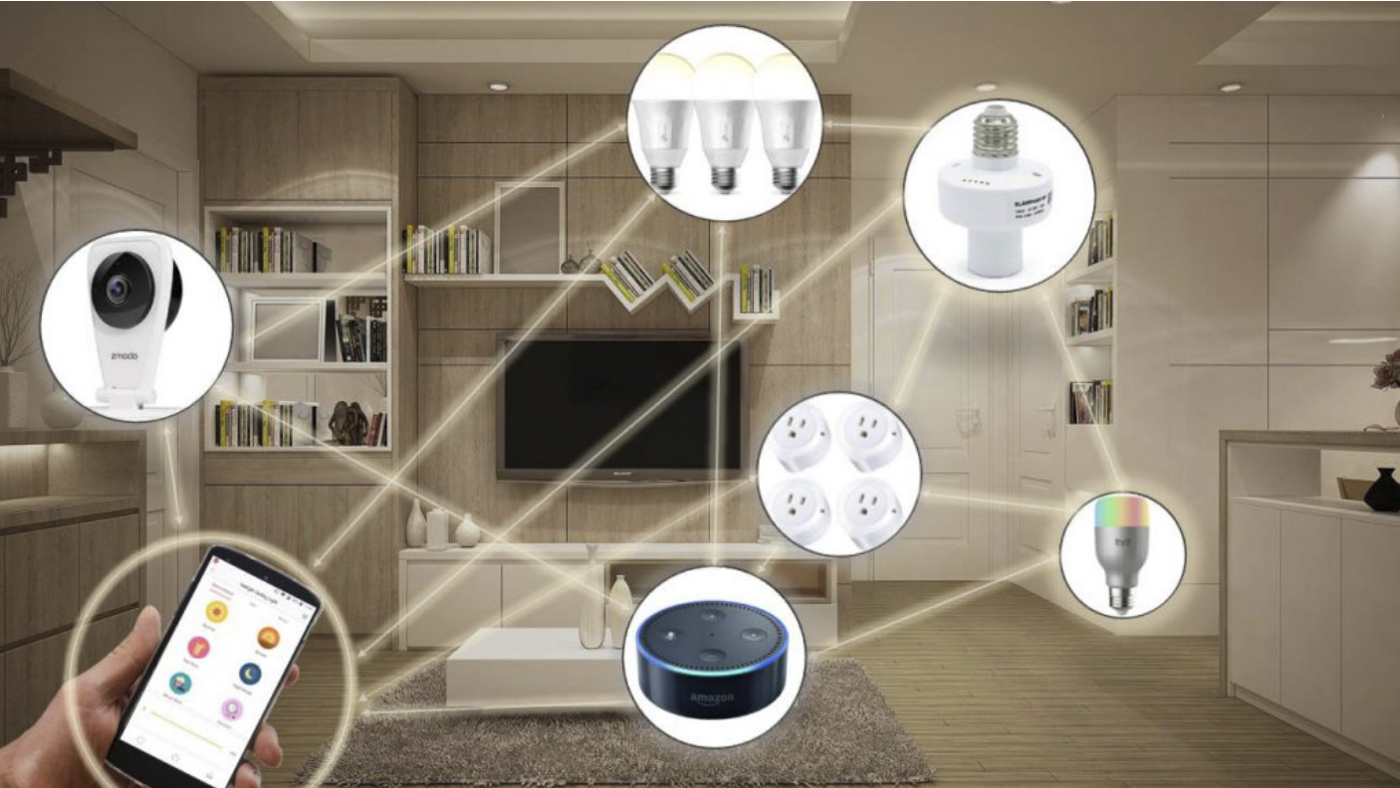
Smart home devices are becoming increasingly popular, and homeowners can choose from a wide range of products that automate and simplify their lives.
Smart home devices can make life easier and more comfortable, but they can also pose security risks.
This article will discuss smart home devices and their pros, cons, and security risks.
How smart home devices are becoming people’s favorite
:max_bytes(150000):strip_icc()/GettyImages-944229900-b7d066037f5748e1a472ce978d570384.jpg)
The main benefit of smart home technology is that it makes it easier for homeowners to do everyday tasks. With voice-controlled assistants like Google Home or Amazon Alexa, users can control their lights or thermostat without changing the settings manually every time.
Automated door locks give them access to their homes at any time. Sensors in refrigerators help keep food fresh longer.
Appliances like washing machines run more efficiently when connected to a hub that monitors usage patterns over time.
All of these features save energy and make the house safer by, for example, sending alerts when doors are opened after hours or when water leaks happen in certain places around the house.
Another benefit is that many newer models now come with mobile apps that give users even more control over how their systems work from anywhere in the world.
This means you don’t need anyone else’s permission to enter your home. This automation also helps save money and the environment by monitoring system performance and turning off lights that aren’t being used.
What can go wrong?

On the other hand, some things could be improved by using this kind of technology.
One of the biggest is that it could compromise your privacy by collecting and storing your data online, which could be hacked by people who want to break into your home without your permission.
Also, these systems may seem useful, but they need regular maintenance and software updates to keep working properly.
If they don’t get these updates, their functionality could be hampered, leaving an opening for bad things to happen.
Lastly, there are still security flaws, even though steps have been taken to make them safer. This makes people wonder if it’s worth adding all this extra cost to their monthly bills, knowing that it could put them in a vulnerable position given the state of internet- and computer-based threats today.
A few risks related to smart home devices

Hackers trying to get unauthorized access to sensitive information stored in networked parts are the biggest risk posed by smart-home technologies.
To stop this threat, manufacturers should ensure strong encryption protocols are in place to protect user data.
They should also follow best practices to protect against cyberattacks, such as putting out regular updates with security patches, etc.
As far as the device’s physical parts go, installation should always be done by a certified professional who knows exactly what needs to be done to install the device securely.
This reduces the chance that someone will take advantage of weak spots in the setup itself.
Lastly, remember the basics, like strong passwords, changing the default credentials regularly, etc. We should always remember how important it is to have good IT hygiene and protect our digital assets in any way possible!
In conclusion, smart home devices have many benefits, such as saving energy and making life easier by integrating with mobile apps.
However, they also have some problems, mostly related to privacy issues and the lack of adequate cybersecurity measures to stop hackers from getting into private user data.
Before deciding whether to “smarten up” a home, it’s important to think carefully about whether or not to use such solutions.


